
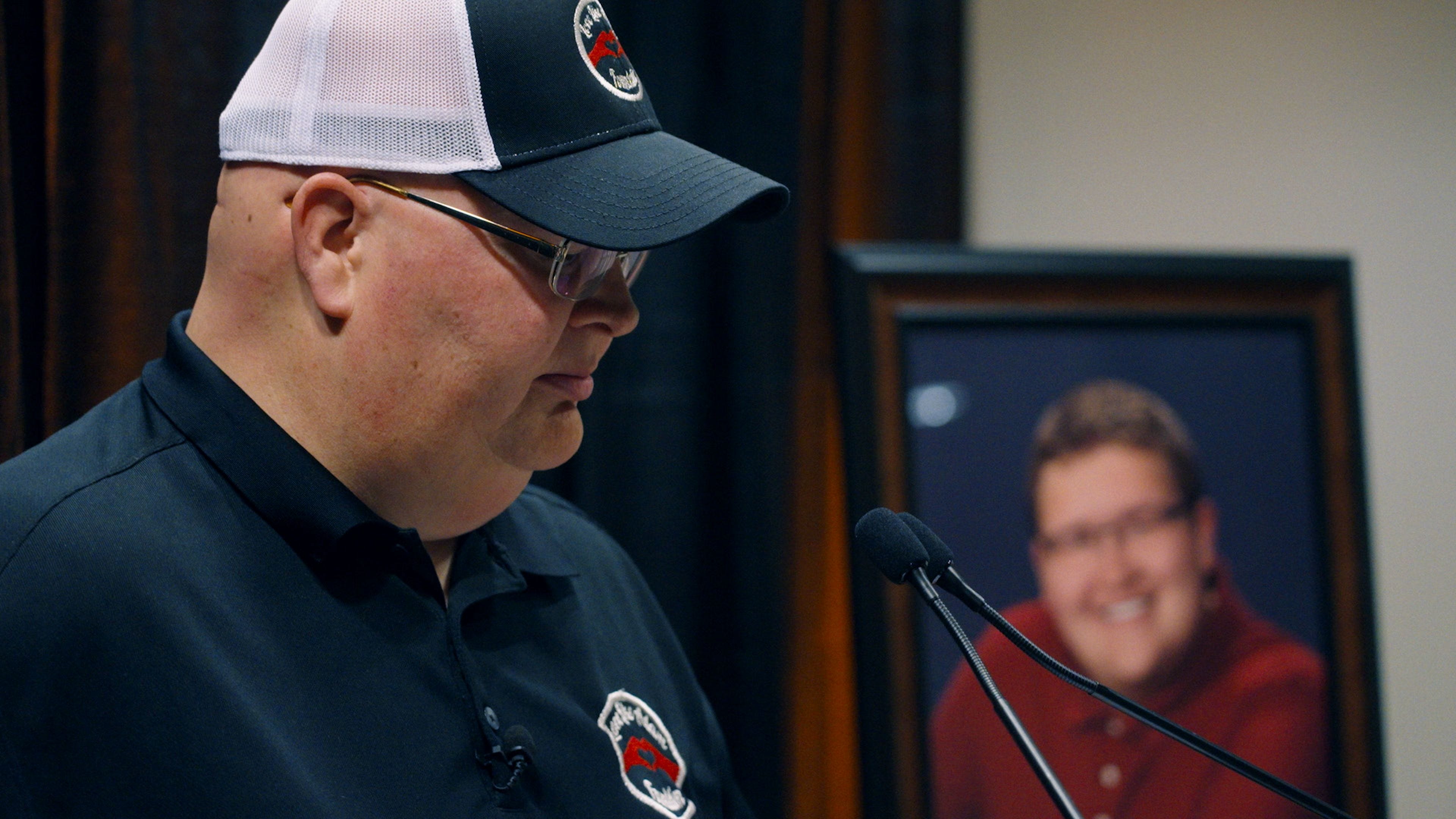
“I lost so much that night; my only child, a best friend. I sent him off to VCU to go to school and get a higher education. And they sent him back in a body bag.”
- Eric Oakes, father of Adam Oakes
4000 Days is a heartrending, but important documentary on the struggle of a group of parents to pass the REACH Act, a law that requires universities and colleges to report hazing deaths as part of Clery Act crime statistics in Annual Security Reports (ASRs). It requires comprehensive research-based educational programming on hazing for all stakeholders and uses an inclusive definition of hazing: affiliated organization context, physical harm, mental harm, or personal degradation, regardless of a student’s willingness to participate.
The fact that universities have been allowed to cover up hazing deaths because they are not required to report the deaths as crimes is very disturbing. While the act doesn’t seem earthshaking, it lays out clear rules that require that the crimes be acknowledged, defines what hazing is, and requires education for those most involved, which would make it clear how unacceptable and illegal the practice is.
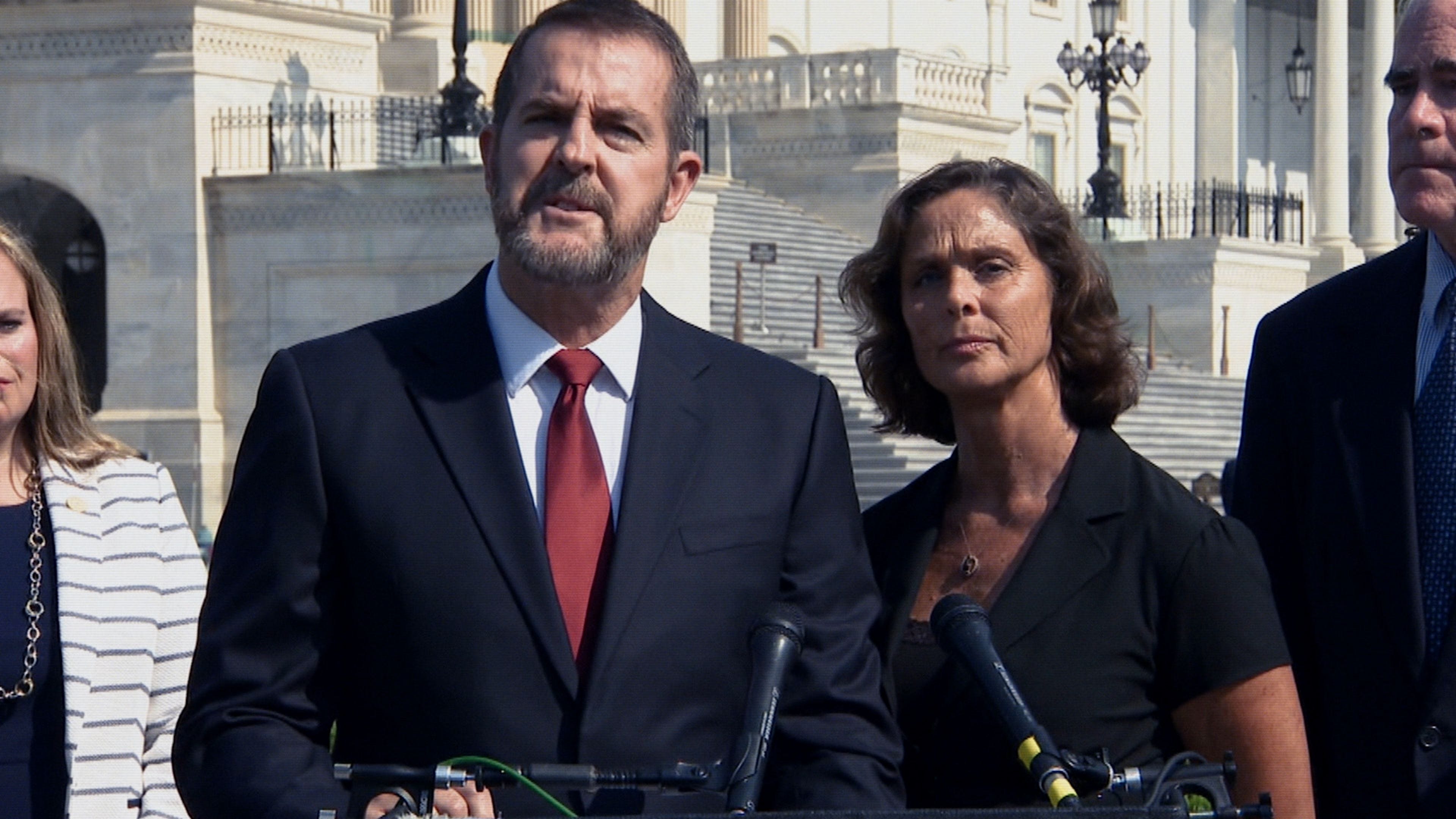
Synopsis: 4000 Days is a powerful documentary chronicling the relentless fight of three families-Gary and Julie DeVercelly, Linda and Eric Oakes, and TJ and Kim Burch-who turned their personal tragedies into a nationwide movement for change. After losing their sons to fraternity hazing, the families found themselves up against a deeply entrenched system that thrived on secrecy, denial, and silence. Refusing to accept that their children died in vain, they joined forces and waged a years-long battle to expose the dangers of hazing, challenge university and fraternity accountability, and push for sweeping legislative reform.
The film, directed by Daniel E. Catullo, who is normally a director of concert films, is a very straightforward, somber, yet hopeful documentary. You can feel the anger from the sets of parents; it’s not out front, but it powers their desire to pass the REACH Act.
By the way, 4000 Days, the name of the film, which represents the amount of time these determined parents spent trying to pass the legislation, is actually 10 years, eleven months, and twenty days.
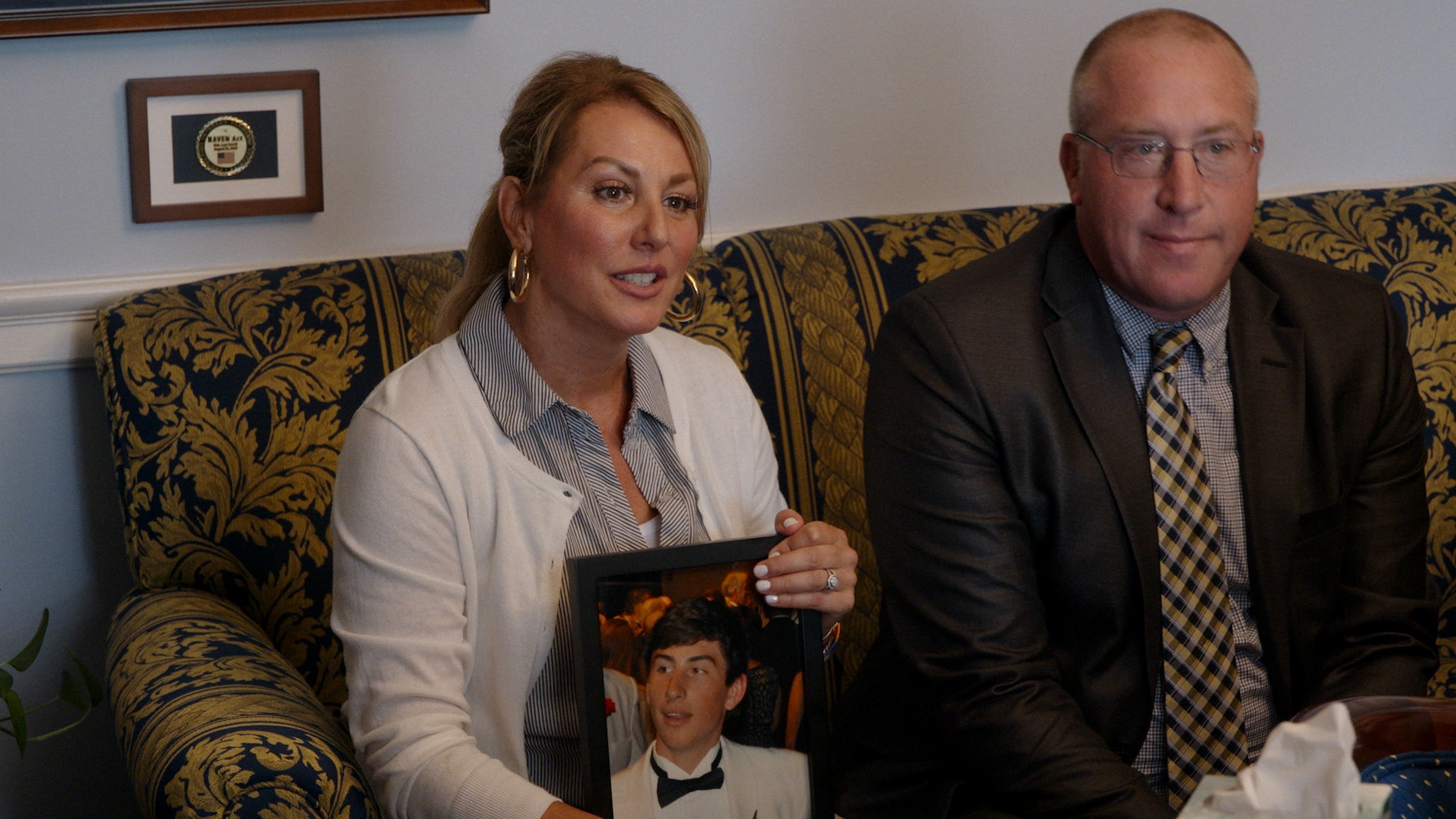
Of the parents, the grief of the Oakes is the most palpable. They are a reasonable and forgiving family who obviously want to believe in the best of people, and find that sometimes, other human beings aren’t capable of goodness. In addition to the tragedy of their son’s cruel death, the good-hearted couple is disappointed by the cynicism and selfishness of others. It is plain on their faces and in the photo of their son, who had a million-watt smile. You can see a quiet outrage and the deep hurt in their eyes.
The film also examines the details surrounding the deaths and the casual cruelty against innocent students who only wanted to belong, which is difficult to fathom. It lays bare the rotten core of the Greek system in our universities. Frat boys have been exposed before for despicable behavior, including rapes and sexual assaults, but these murders, and it is hard to believe that these deaths were totally accidental, are displays of ruthless brutality.
As you watch, 4000 Days does an excellent job of showing how frat members in the Greek system have been getting away with murder for as long as hazing has existed. All they need is to find someone too vulnerable or of a body type that they casually despise, and that’s enough of a reason to inflict deadly torture on a victim who trusted them. They abandon the bodies of their victims like an empty beer can and mock people in severe medical distress. They are callous in a way that twists the knife in the victim’s family’s wounds.
Prison is too good for them. The Greek System is corrupt.
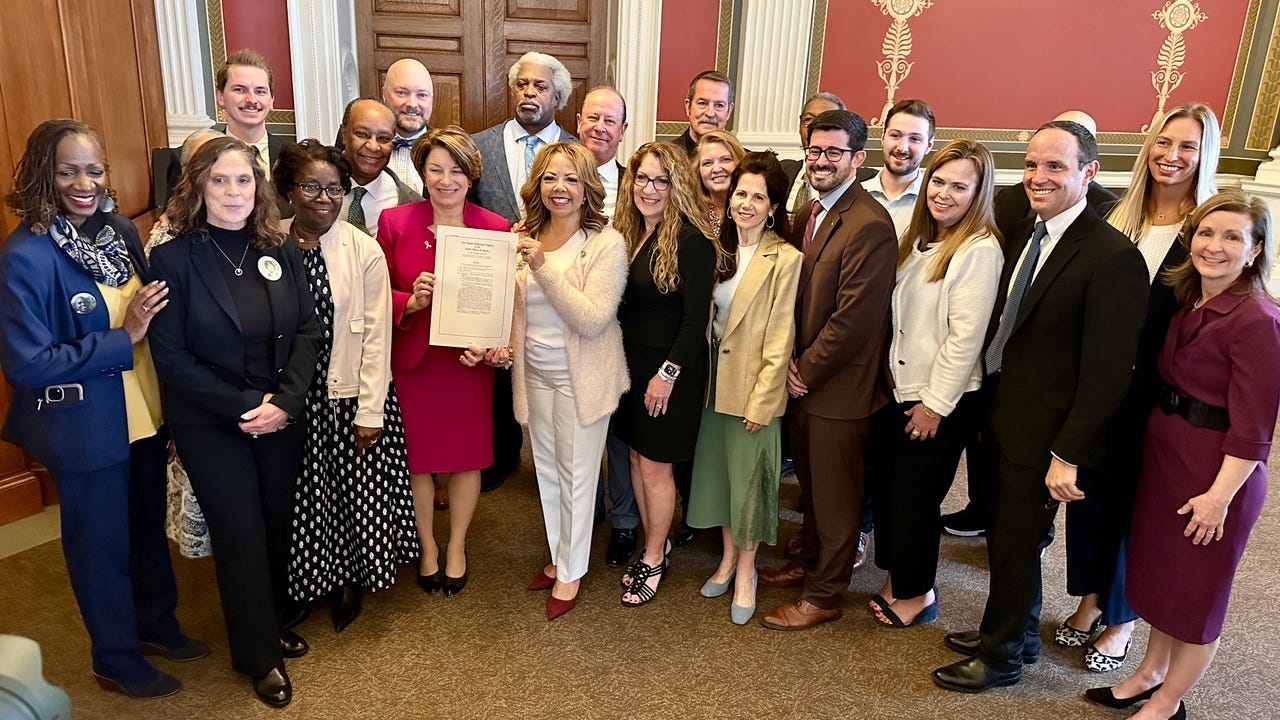
The other injustice, because there is more than one, is exactly how long it takes to get a bill passed that could save lives or, at least, mete out some measure of justice to future victims’ loved ones. As you watch, you might be surprised at who is willing to help them. Two villains of the right wing respond to the parents’ plight and become co-sponsors. It does do something to counter the belief that people aren’t all bad, at least in this respect.
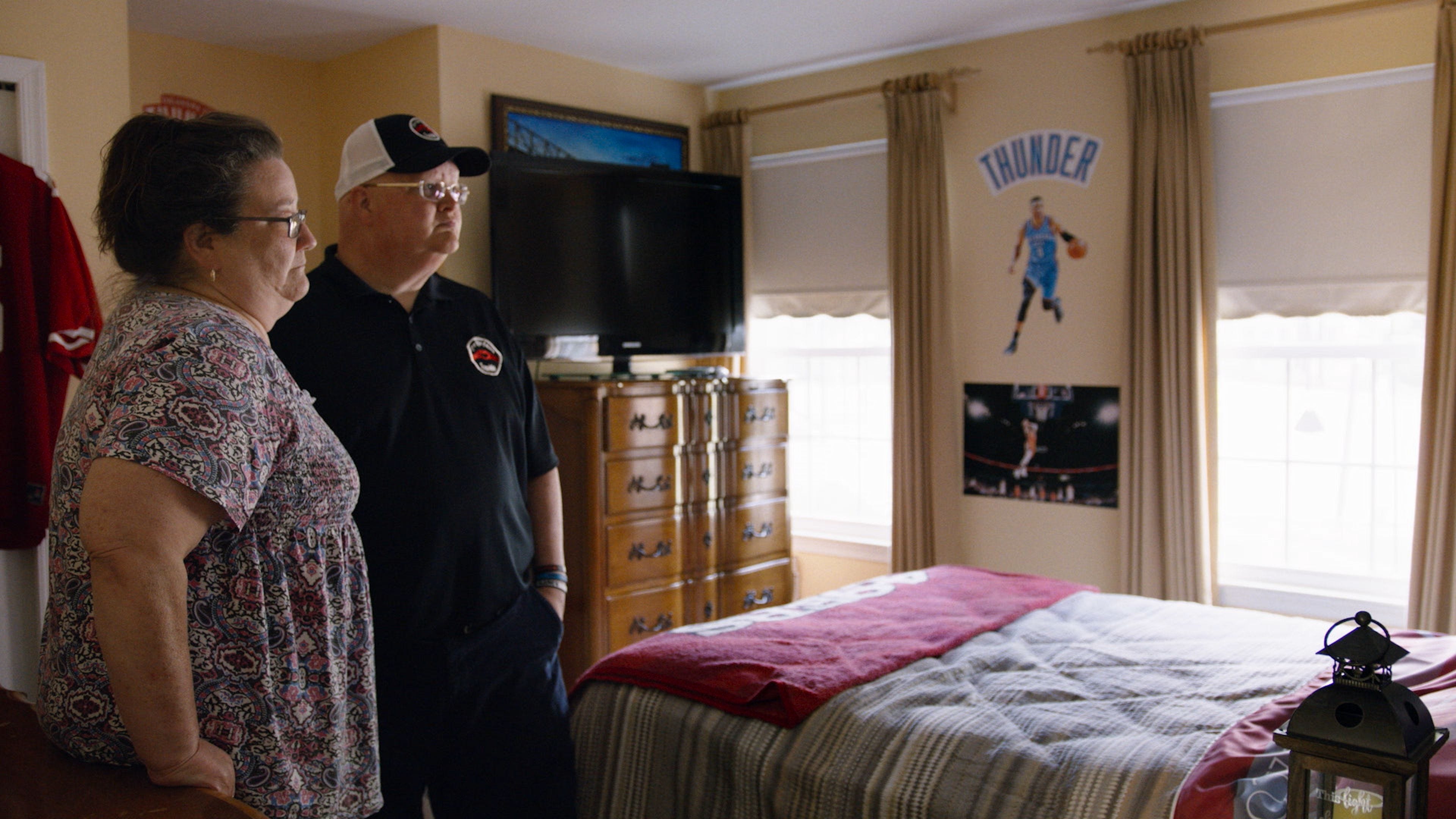
4000 Days is a deeply affecting and disturbing yet hopeful document of grief that drives the victims of such tragedies to do good. Yes, they want justice, but it is important to them to be a part of making sure that no child, no parent, no family has to suffer as they have again. That is a quality that is one of the best in humanity, the willingness to fight evil even while wounded, for those who have yet to be victimized.
One thing that I do have to ding the film on is the apparent use of “AI” or LLM-generated footage to animate photos of the victims. I am very much against LLM usage in films because of the issue of plagiarism, but in addition to that, I think the usage was unnecessary. Even if the use was ethical, and I don’t know what the “usage of AI” in the film specifically was, I don’t think that it added to the very real emotional and factual depth of the documentary. They didn’t need it; the emotional linkage was already there.
But overall, I think that 4000 Days is an important documentary that tells a story that deserves to be told about people who deserve to be remembered.